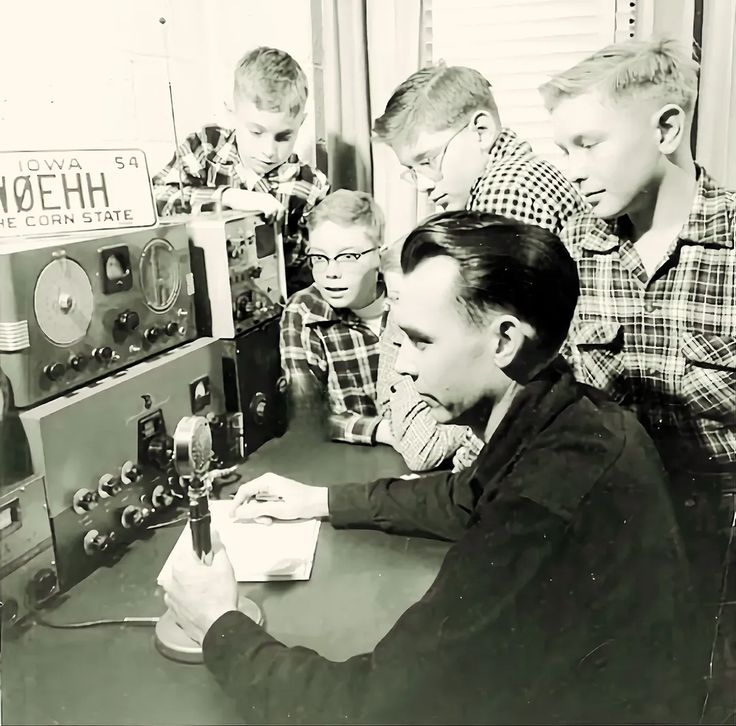
The 1920s and 1930s were electric with possibility. Amateurs pioneered single-sideband voice, built beam antennas, and formed the International Amateur Radio Union in 1925 to coordinate worldwide. They weathered the Great Depression by sharing parts and knowledge, turning scarcity into ingenuity. Then World War II arrived, and once again the government ordered stations off the air. This time, however, thousands of hams joined the military as radio operators, trainers, and code specialists. Their peacetime hobby became battlefield skill. When peace returned in 1945, the surge was unstoppable. New bands opened, surplus war equipment flooded the market, and a postwar generation discovered the magic of talking to strangers on the other side of the globe. Voice, teletype, even early television experiments filled the bands.