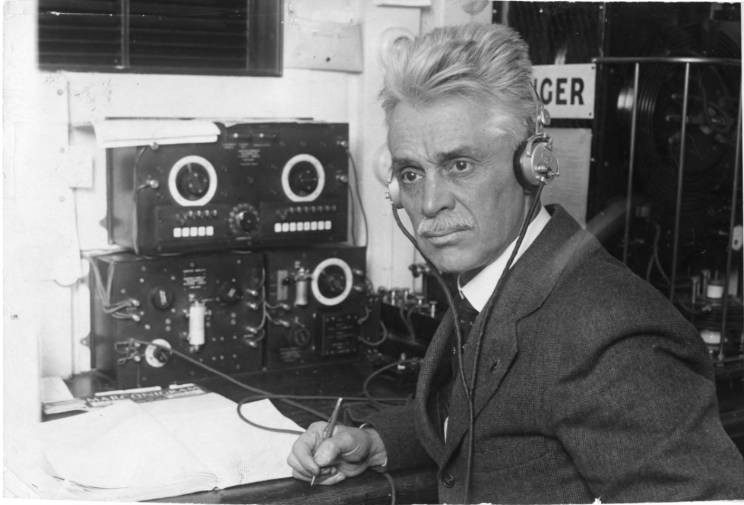
Undeterred, the amateurs refused to fade. In 1914, a Connecticut inventor named Hiram Percy Maxim, frustrated by the growing interference and eager to organize, founded the American Radio Relay League (ARRL) with a handful of fellow enthusiasts. Their goal was simple: relay messages across the continent, one ham to the next, like a human chain of sparks. World War I silenced them almost completely; the government shut down all private stations to protect military traffic. But when the war ended in 1918, the hams returned stronger. They discovered that those “useless” short wavelengths could bounce off the ionosphere and reach the other side of the planet. In 1921, a young operator named Paul Godley copied signals from Scotland in a snow-covered tent in New Jersey. By 1923, two-way transatlantic contacts became routine. The golden age of DX—long-distance communication—had begun.